

Your Benefits Message Is Clear. Is It Useful?
Your benefits guide is easy to read. Your enrollment emails explain the options. Employees know where to find their plan information. Well done; those are no small accomplishments. But it’s important to consider another question: do your communications help employees take advantage of the benefits you provide? An employee may know that you contribute to…

Are Your Benefits Invisible?
The job of the professionals who work in employee benefits, compensation, and total rewards is to craft the strongest possible total compensation packages for their organization’s employees. Their focus is on providing offerings that will attract and retain the best talent. The challenge, though, which is well documented through many different surveys and studies, is…

The Outlook for Employee Benefits in 2027
As employers look ahead to 2027, rising costs and changing workforce expectations are putting employee benefits strategies under increasing pressure. A top concern continues to be the ever-increasing cost of healthcare benefits. One recent report estimates that the cost of employer-provided medical coverage will go up over 9% in 2027. In contrast to the past…

Same Old Story: Health Insurance Premiums Up 6% in 2025
The KFF Employer Health Benefits Survey for 2025 is out today. The survey finds that family premiums for employer provided health insurance coverage rose 6% in 2025, similar to increases in both 2023 and 2024. For now, employers (on average) continue to pay most of the cost of those premiums. So, as in previous years,…
Investing in People Through Total Rewards
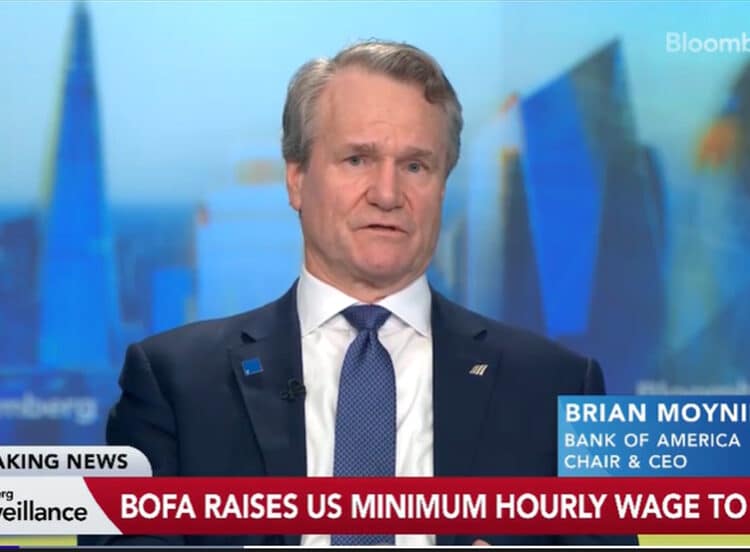
Bank of America CEO Brian Moynihan was interviewed on Bloomberg this week about the bank’s recent decision to raise its minimum wage to $25 per hour, which is higher than any state minimum wage in the U.S. But Moynihan went beyond discussing wages, briefly reviewing some of the highlights of BoA’s employee benefits, including robust…

Beyond Benefits: Your Total Rewards Strategy Matters More Than Ever
Key Takeaways: Employee benefits are just one component of a broader total rewards strategy that includes compensation, recognition, development, and well-being. A well-communicated total rewards strategy helps employees see the full value of their role, increasing engagement, trust, and retention. Organizations that go beyond standard benefits and invest in total rewards are more likely to…

Total Rewards Communications: A High Priority for the Future of the Workforce
Key Takeaways: Clear and effective total rewards communications help young professionals understand their full compensation package, increasing satisfaction and loyalty. Transparency around benefits, bonuses, and development opportunities can significantly boost engagement among younger employees. Employers who actively communicate total rewards are better equipped to attract top talent, improve retention, and foster a positive workplace culture….

Total Rewards Statements: Combating Burnout, Mental Health Struggles, and Promoting Work-Life Balance
Key Takeaways: Total rewards statements (TRS) help combat employee burnout by clearly outlining the full scope of compensation and wellness benefits. By highlighting mental health resources, wellness programs, and work-life balance initiatives, total rewards statements can reduce stress and enhance overall employee well-being. Transparent communication through total rewards statements fosters trust and demonstrates that employers…

Why Employees Want Total Rewards Statements: Insights from Modernizing Total Rewards
Key Takeaways: Employees are looking for clarity and transparency in their total compensation packages. Total rewards statements help employees understand the full value of their benefits, beyond just salary. A unified approach to compensation drives employee satisfaction, trust, and engagement. Across industries and job functions, employees want a full, transparent view of their total compensation—the…

Why Clear Communication Drives Employee Engagement
Key Takeaways: Total rewards communications offer a unified view of an employee’s full compensation, driving clarity and trust. A compartmented benefits strategy often leads to fragmented understanding, making it harder for employees to appreciate their full compensation package. Clear, holistic communication through total rewards communications boosts employee engagement, satisfaction, and long-term loyalty. In today’s workplace,…